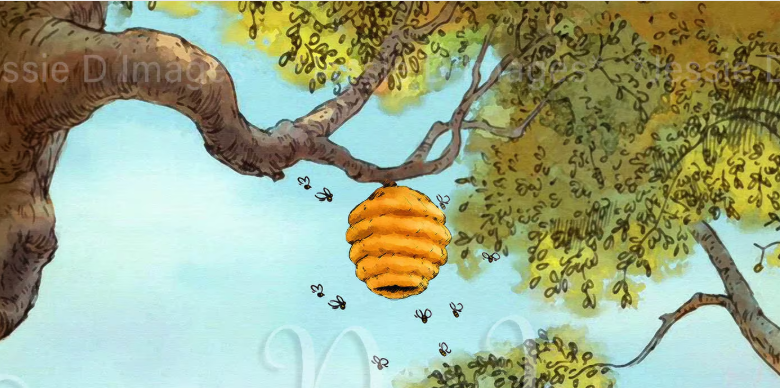
“Unfortunately, despite this carefully enacted plan, the bees are still suspicious and getting more so; one even lands on Pooh’s nose, causing him to “Ow!”. Faced with this onslaught, Pooh decides that these are in fact the Wrong Sort of Bees, who will clearly make the wrong sort of honey (perhaps the blue kind, or the kind that tastes like Marmite).”
From Winnie the Pooh and The House at Pooh Corner
by A.A. Milne.
Many (most) people do not know the difference between bees, wasps and hornets and therefore call all of these stinging insects “bees”.
There are over 600 species of bees found in Washington State and hundreds of species of wasps and hornets, so it can be difficult to know for sure what you are looking at when you see a cloud of flying insects or a large number of insects coming and going from a hole in your building, a tree or the ground.
Most of these insects are important pollinators, so it is best to just leave them alone if you can. All wasp, hornet and bumblebee colonies die back every fall and only the young queens over winter, so if they are not causing you a problem, you can just leave them alone and they will die out in the fall.
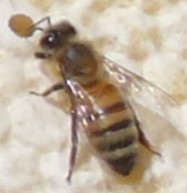
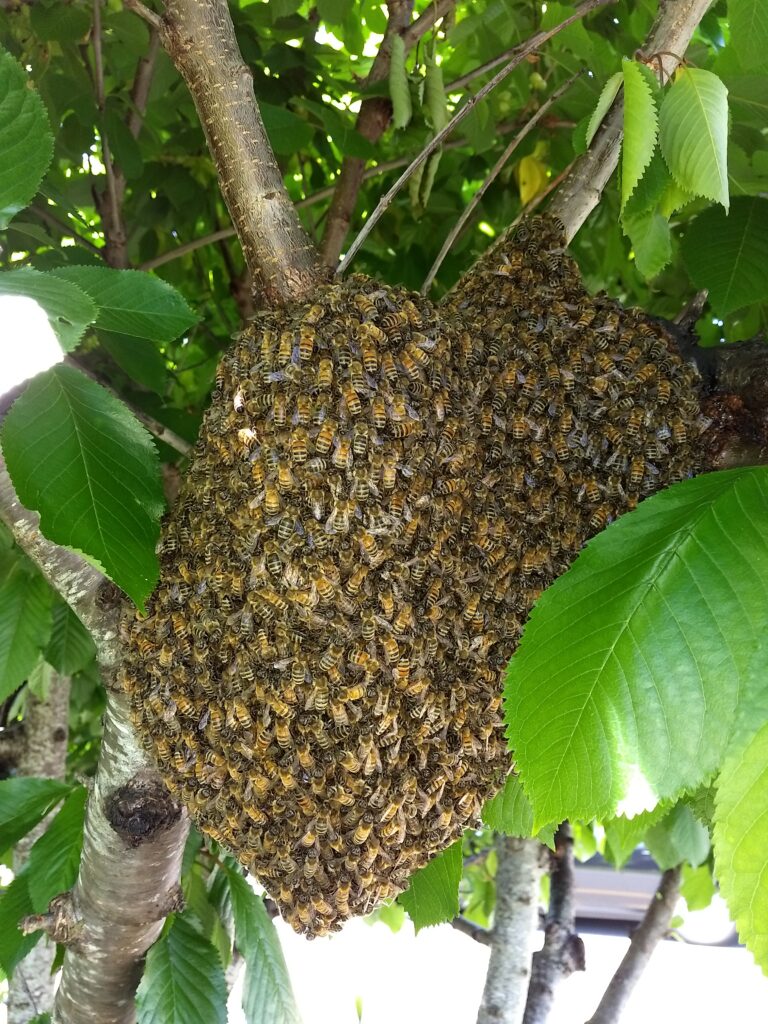
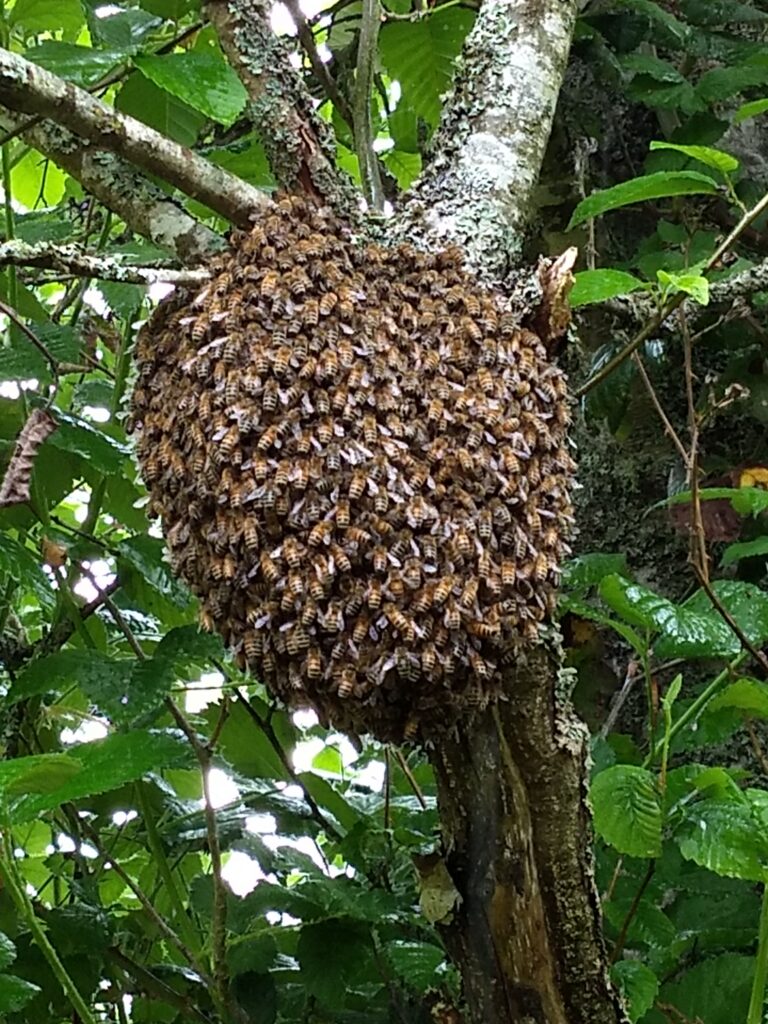
Honeybees
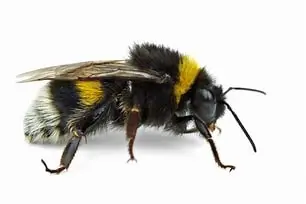
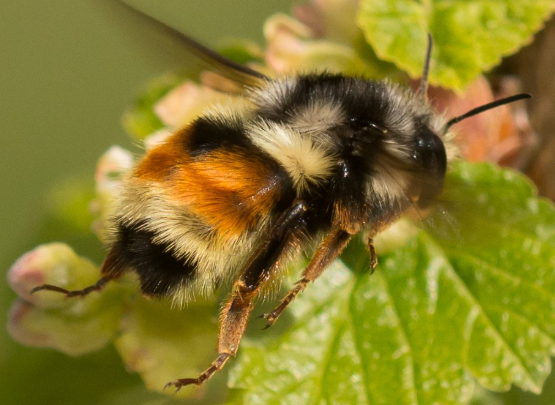
Bumblebees
There are at least 28 species of Bumblebees found in Washington State.
Wasps and Hornets
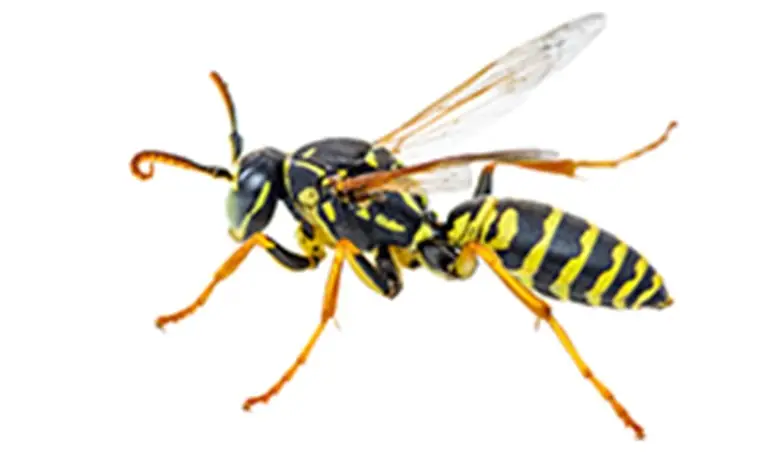
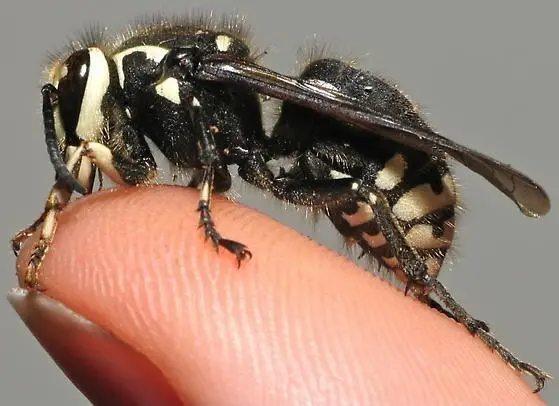
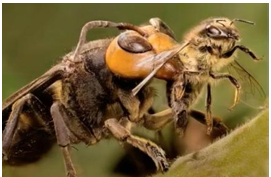
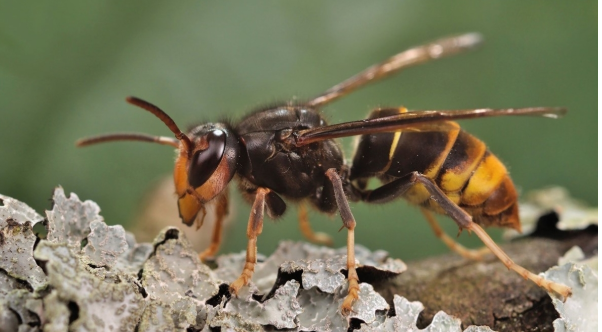
The above two Hornets are Asian species and should not be found in Washington State!
Contact the Washington State Department of Agriculture if you have found one of these species.
Copyright © 2026 Stanwood Camano Beekeepers Association