About bee stings (from Wikipedia)
A bee sting is the wound and pain caused by the stinger of a female bee puncturing skin. Bee stings differ from insect bites, with the venom of stinging insects having considerable chemical variation. The reaction of a person to a bee sting may vary according to the bee species. While bee stinger venom is slightly acidic and causes only mild pain in most people, allergic reactions may occur in people with allergies to venom components.
Honey bee stings
A honey bee that is away from the hive foraging for nectar or pollen will rarely sting, except when stepped on or roughly handled. Honey bees will actively seek out and sting when they perceive the hive to be threatened, often being alerted to this by the release of attack pheromones (below).
The venom of the honeybee contains histamine, mast cell degranulating peptide, melittin, phospholipase A2, hyaluronidase and acid phosphatase. The three proteins in honeybee venom that are important allergens are phospholipase A2, hyaluronidase and acid phosphatase. In addition, the polypeptide melittin is also antigenic. Bumblebee venom appears to be chemically and antigenically related to honeybee venom.
Bees with barbed stingers can often sting other insects without harming themselves. Queen honeybees and bees of many other species, including bumblebees and many solitary bees, have smoother stingers with smaller barbs and can sting mammals repeatedly.
The sting’s injection of apitoxin into the victim is accompanied by the release of alarm pheromones, a process which is accelerated if the bee is fatally injured. The release of alarm pheromones near a hive may attract other bees to the location, where they will likewise exhibit defensive behaviors until there is no longer a threat, typically because the victim has either fled or been killed. (Note: A bee swarm, seen as a mass of bees flying or clumped together, is generally not hostile; it has deserted its hive and has no comb or young to defend.) These pheromones do not dissipate or wash off quickly, and if their target enters the water, bees will resume their attack as soon as it leaves the water. The alarm pheromone emitted when a bee stings another animal smells like a banana.
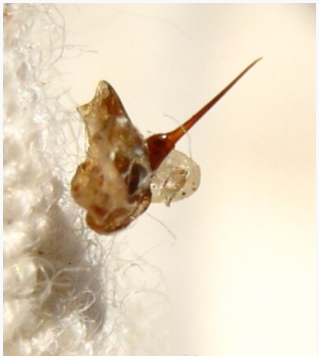
The stinger consists of three parts: a stylus and two barbed slides (or lancets), one on either side of the stylus. The bee does not push the stinger in but it is drawn in by the barbed slides. The slides move alternately up and down the stylus so when the barb of one slide has caught and retracts, it pulls the stylus and the other barbed slide into the wound. When the other barb has caught, it also retracts up the stylus pulling the sting further in. This process is repeated until the sting is fully in and even continues after the sting and its mechanism is detached from the bee’s abdomen. When a female honey bee stings a person, it cannot pull the barbed stinger back out, but rather leaves behind not only the stinger, but also part of its abdomen and digestive tract, plus muscles and nerves. This massive abdominal rupture kills the honey bee. Honey bees are the only bees to die after stinging.
Bee Sting Treatment:
For most people, a bee sting is just a nuisance that may cause temporary pain and itching at the sting site. Home remedies can help, but you should seek immediate medical attention if there are signs of anaphylaxis.
If stung by a bee, you should calmly remove the stinger, wash the area, and use ice to reduce swelling.
Unless you’re allergic to the bee’s toxin or experiencing signs of a severe allergic reaction, you can treat most bee stings at home.
In addition to basic first aid, certain home remedies have long been believed to soothe inflamed skin and reduce itching, such as applying honey or aloe vera.
We’ll break down traditional medical treatments of a honey bee sting, common approaches to relieving milder sting symptoms at home, and how to recognize an allergic reaction.
Traditional treatments for a bee sting
Here are the most important steps in first aid for a honey bee sting:
- Remove the stinger quickly.
- Wash the area with soap and water.
- Avoid scratching, as this can lead to infection.
2020 research into honey bee stinger removal concludes that the most important thing is to remove the stinger as soon as possible. A bee’s stinger will continue to release venom while stuck in your skin.
It’s usually advised that you brush or scrape the stinger out using your fingernail or even a credit card. Pulling or pinching it out isn’t ideal, but may be necessary.
After these steps, the following reliable approaches can help treat the sting and minimize your discomfort.
1. Ice
Cold compresses reduce pain and swelling by limiting blood flow to the area.
It’s important that you don’t put ice directly on the skin, as it can burn you.
2. Anti-inflammatories
Taking nonsteroidal anti-inflammatory drugs (NSAIDs), such as Motrin or Advil, may help lower your body’s inflammation, and relieve pain.
You can also treat itching and redness with hydrocortisone cream or calamine lotion.
3. Antihistamines
Taking an oral antihistamine such as Benadryl or Zyrtec may bring relief. Trusted Source from itching and swelling in particular. Antihistamines help our immune system calm down from an allergic response.
Anything more than a mild allergic reaction should be evaluated by a doctor right away.
Home remedies for bee stings
Bee stings are often treated with a combination of both traditional first aid and home remedies.
Several of the most common at-home treatments for bee sting symptoms aren’t supported by scientific research. Yet they’ve been passed down for generations and continue to be popular.
It’s important to remember that none of these home remedies should cause more pain or make the sting worse. Should this happen, stop and clean the sting with soap and water, and avoid trying that approach again.
1. Honey
Honey may help with wound healing and infection prevention.
A 2021 reported that medical-grade honey (MGH), including Manuka honey, has proven to lower inflammation and have strong antimicrobial properties. This means that MGH can help repel bacteria and fungi. It’s less clear whether other traditional honeys have such effects.
Honey is also believed to release oxygen into wounds to aid healing and help flush out dead tissue.
To treat bee stings with MGH or household honey, apply a small amount to the affected area. Cover with a loose bandage and leave on for up to an hour.
2. Baking soda
A paste made of baking soda and water can help with a variety of insect bites and stings. It’s believed baking soda can neutralize bee venom, reducing itching and swelling.
The Centers for Disease Control and Prevention (CDC) gives the following recipe for baking soda paste to calm mosquito bites. Many people also use it for bee stings:
- Mix 1 teaspoon water with enough baking soda to make a thick paste.
- Rub the paste over the affected area.
- Leave on for 10 minutes.
- Rinse off.
3. Toothpaste
There’s no real scientific evidence that toothpaste can help bee stings. However, people claim that the alkaline toothpaste (high pH) neutralizes the acidic honey bee venom (low pH). If this is true, however, toothpaste won’t work on wasp venom, which is alkaline.
Similar to baking soda, it’s believed that toothpaste will draw out venom. Mint types are also said to provide a cool, soothing effect.
Either way, toothpaste is an inexpensive and easy home remedy to try. Simply dab a bit on the affected area, and wipe away after several minutes.
4. Apple cider vinegar
Apple cider vinegar is used for a wide range of health and wellness purposes, from improving skin conditions to helping manage diabetes. While not all of its uses are supported by research, it has been shown in laboratory settings to inhibit the growth of specific bacteria.
Try soaking the site of your bee sting in diluted apple cider vinegar for several minutes. You can also wet a bandage or cloth in the vinegar and then apply it to the sting site. It is important to stop if this approach if it causes irritation.
5. Aloe vera
Some naturally occurring topicals, like aloe vera, are associated with wound healing and may help relieve symptoms of a bee sting.
Aloe vera has a variety of uses, including soothing irritated skin. You can buy the gel or make your own if you have an aloe plant. Simply break off a leaf and squeeze the gel directly onto the affected area.
6. Witch Hazel
Witch hazel is a natural astringent and antiseptic. It’s considered a go-to home remedy for insect bites and bee stings that can prevent infection and reduce swelling and pain. However, there is limited quality research to back this up.
Allergic reactions to bee stings
Most people who are stung by a honey bee have no physical symptoms aside from discomfort at the site of the sting. Mild allergic reactions may cause increased swelling and redness at the sting site.
If you’re severely allergic to the bee’s toxin, or if you get stung multiple times, bee stings can require a more serious response. The CDC reports that between 2000 and 2017, an average of 62 Americans per year died from hornet, wasp, and bee stings.
In such rare cases, bee stings may cause a life-threatening allergic reaction called anaphylaxis. This happens when your immune system overreacts to the allergy trigger, sending your body into crisis mode. Symptoms can start within minutes or take up to a half-hour to show up.
Anaphylaxis is always a medical emergency. If you suspect you or someone else is experiencing anaphylaxis, you should seek medical support immediately.
According to the American Academy of Allergy, Asthma & Immunology (AAAAI), key symptoms of anaphylaxis include:
- hives (discolored and itchy welts on skin)
- turning pale or red-faced
- swelling of the tongue and throat
- difficulty breathing
- coughing or wheezing
- nausea and vomiting
- stomach cramps
- diarrhea
- dizziness
- loss of consciousness
Emergency treatment for allergic reactions
When it comes to anaphylaxis and other severe allergic reactions, multiple treatments are often used together.
This includes the following medications and other medical approaches:
- Epinephrine (EpiPen). If you’ve had anaphylactic shock after a bee sting in the past, you’ll need to carry an EpiPen with you at all times. The pen delivers a shot of epinephrine (adrenaline), which counters your body’s allergic response. It opens airways and helps stabilize your blood pressure.
- Oxygen. At the hospital, oxygen therapy may be used to assist your breathing.
- IV antihistamines. Antihistamines such as diphenhydramine and promethazine can be administered intravenously to help your immune system calm down. They reduce histamines, substances in our blood that cause allergy symptoms.
- IV and oral corticosteroids. This class of medications imitates cortisol, a naturally occurring hormone that regulates many biological processes in our bodies. Corticosteroids lower immune system activity to allow inflammation to calm down.
Should you be stung by a bee again, using an EpiPen may prevent a severe allergic reaction, although you still need to go to the hospital.
It’s important to let family or friends know that you carry an EpiPen. In case of emergency, they can administer it if you’re unable. The pen is usually injected into the thigh.
Epinephrine Autoinjector Incident Reporting
Washington State law require the reporting of the use of an EpiPen within 5 days. Use this link:
https://fortress.wa.gov/doh/opinio/s?s=EpinephrineAutoinjector
Copyright © 2026 Stanwood Camano Beekeepers Association